One family's grief became a five-year commitment to the Niger Delta creeks.
Founded in 2020, the Roli Mabo Foundation (RMF) is one of the very few indigenous NGOs working consistently within the creeks of Warri North, Warri South and Warri South West, Delta State, Nigeria.
In tribute to Mrs. Roli Mabo
In 2020, Ade Mabo — driven by a profound desire to create lasting positive change — established the Roli Mabo Foundation after more than a decade of volunteering and holding leadership roles within humanitarian organizations such as the Africa Mission.
The Foundation was born in tribute to his late mother, Mrs. Roli Mabo, who passed away at the age of 58. In her lifetime, she was held back by two systemic failures: a lack of access to quality education, and a deeply inadequate healthcare system. She was wrongly diagnosed with malaria for six months while cancer quietly took its toll. Her story is not unique — it reflects the lived experience of millions across the Niger Delta creeks.
These realities inspired the Foundation's core mandate: to ensure that no family in these communities ever suffers the same fate — through accessible healthcare, quality education, community infrastructure, economic empowerment, agricultural development, and dedicated support for the most vulnerable.
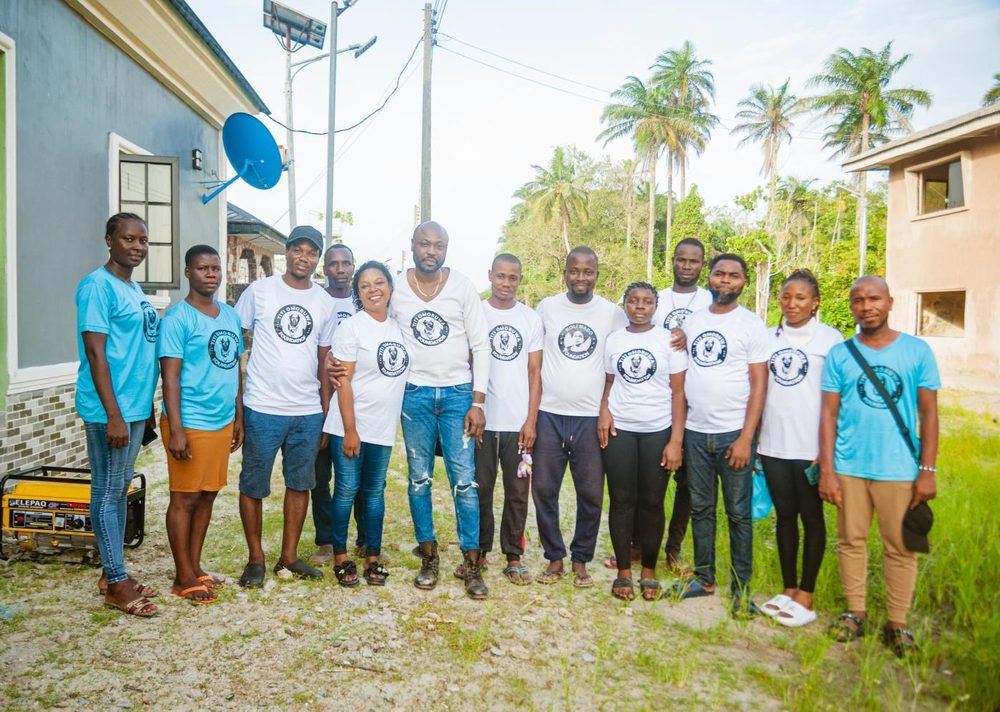
The Roli Mabo Foundation team at a community healthcare center opening
75% of Nigeria's export earnings. One of the world's most overlooked regions.
Since 1975, the Niger Delta has accounted for approximately 75% of Nigeria's export earnings through its oil and gas resources. Yet it remains one of the most impoverished regions in the world. Every day, two million barrels of oil are extracted from this land — while the communities that bear the environmental cost of that extraction live without clean water, electricity, internet access, or adequate healthcare.
In the Niger Delta creeks, children die from common, preventable illnesses — malaria, typhoid, snake bites. Oil spills contaminate the water sources communities depend on for drinking, fishing and bathing. The absence of roads and navigable infrastructure means that teachers, healthcare professionals, nurses, doctors and essential goods rarely reach these communities.
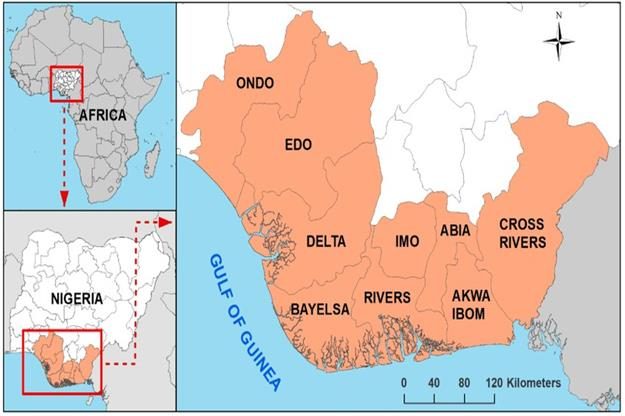
The Niger Delta spans Delta, Edo, Ondo, Bayelsa, Rivers, Imo, Abia, Akwa Ibom and Cross Rivers states.
A creek community, by the numbers
In these riverine communities, the demographic breakdown tells its own story: approximately 40% children, 20% elderly, 30% women, and only around 10% able-bodied men — most of whom have left for cities in search of economic opportunity, leaving behind the most vulnerable.
Where it began: Jakpa, 2020
During the COVID-19 lockdown, Ade Mabo travelled through the Niger Delta creeks and arrived in the Jakpa community, Warri North LGA. He found dilapidated schools, little to no teachers, barely any healthcare facilities, and no reliable means to feed families — abandoned, invisible, and surviving on very little. He returned. He never stopped returning.
Her story is not unique. That's exactly the point.
Late Mrs. Roli Mabo faced challenges no one should ever endure. Unable to read or write, she became a victim of Nigeria's fragile healthcare system after being wrongly treated for malaria for six months while cancer silently progressed. Her passing became the painful reality that inspired the creation of the Roli Mabo Foundation — a commitment to ensuring that no one else suffers the same fate.
Moved by the conditions he witnessed in Jakpa, Ade Mabo returned with a determination to provide support and restore hope to the community through access to basic necessities and sustainable interventions. These experiences, alongside the painful loss of Mrs. Roli Mabo, laid the foundation for an organisation dedicated to improving access to healthcare, promoting quality education, economic empowerment, and combating hunger among underserved communities.
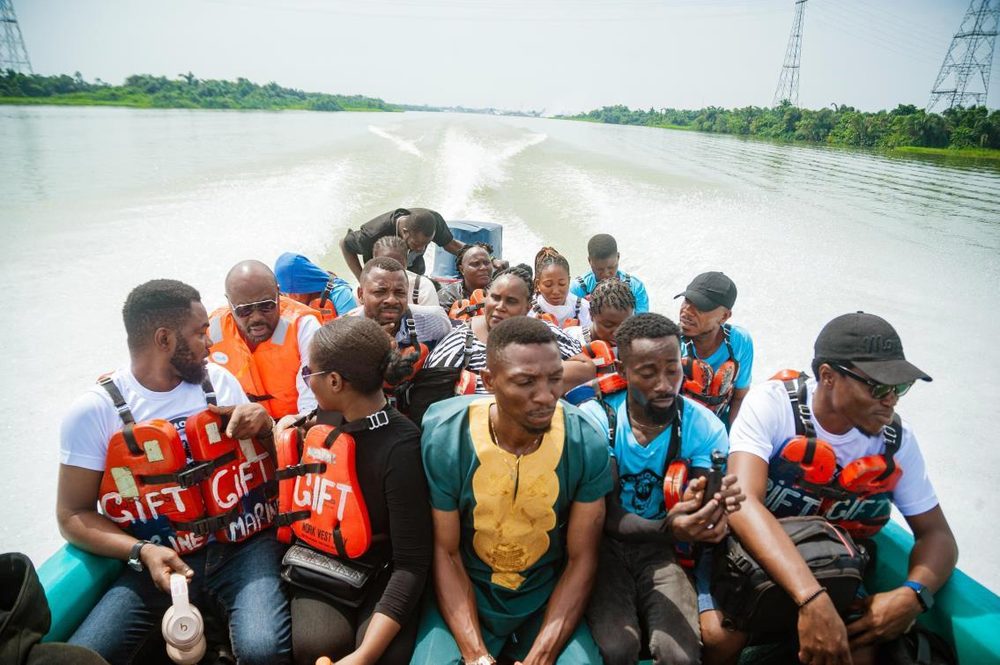
Six programs, each built to answer one part of the same problem.
Healthcare. Education. Community development. Economic empowerment. Agriculture. Widows' welfare. See exactly what each has delivered so far.
View our programs